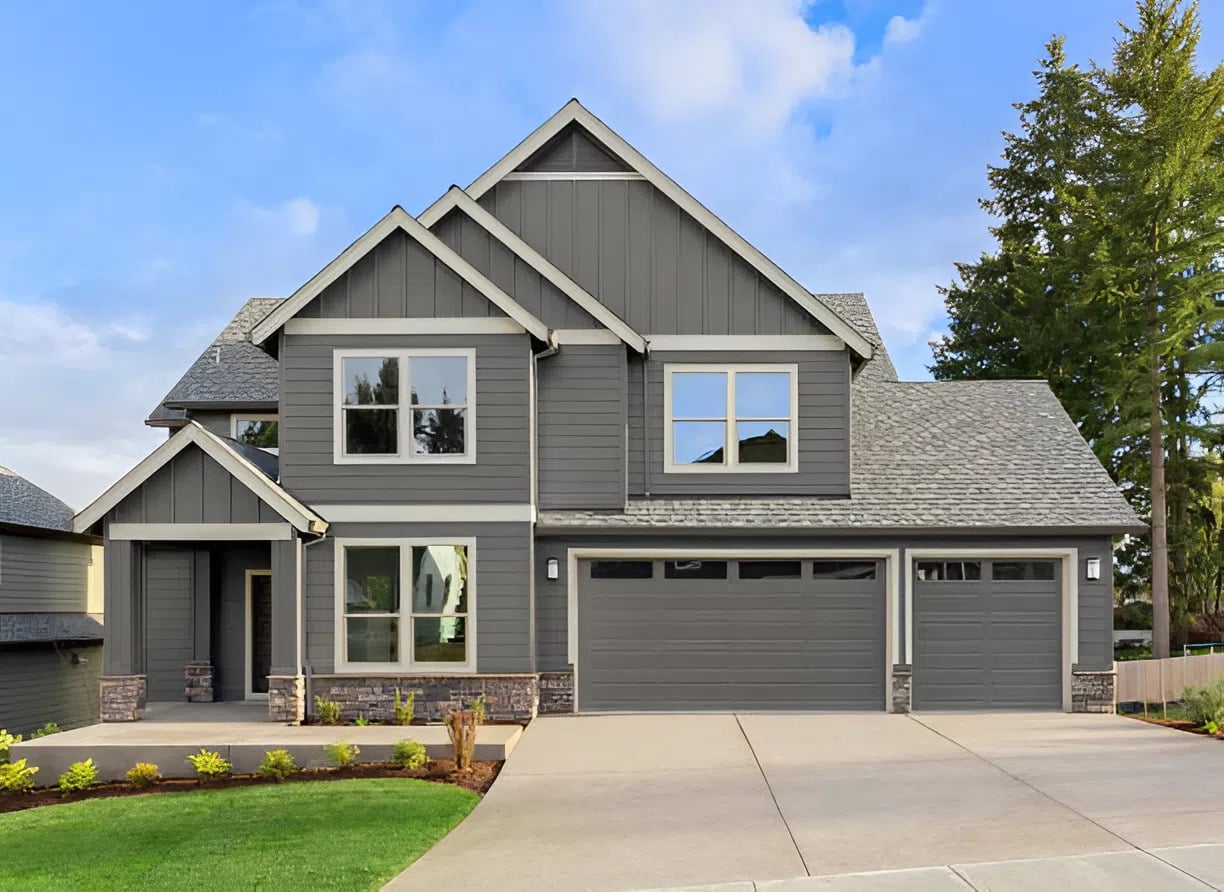
Exterior paint rarely fails all at once. It weakens quietly, season by season, until winter exposes every weak spot. Long before peeling, cracking, or fading becomes visible in spring, cold weather has already done the damage. That is why a painter in Ashland, MA, often traces exterior paint problems back to winter conditions rather than summer heat or age alone.
Homes in Ashland face a unique combination of moisture, freezing temperatures, and fluctuating weather patterns that steadily test exterior surfaces. When paint systems are already compromised, winter becomes the tipping point where small issues turn into expensive repairs.
How Winter Weather Accelerates Exterior Paint Breakdown
A seasoned painter in Ashland, MA, understands that winter does not simply pause exterior wear. It intensifies it. Freezing temperatures, snow accumulation, and repeated thaw cycles work together to stress painted surfaces far more aggressively than most homeowners realize.
Moisture is the primary culprit. When water seeps into microscopic cracks or poorly sealed joints, it expands as it freezes. This expansion pushes paint away from the surface, breaking adhesion from underneath. Over time, this process weakens even high-quality coatings, especially when prep work is insufficient or the paint is nearing the end of its lifespan.
Freeze-Thaw Cycles: The Silent Paint Destroyer
Why Small Cracks Become Big Problems
A painter in Ashland, MA, frequently sees paint failure begin around trim edges, siding seams, and nail heads. These areas are vulnerable because they allow moisture entry. Once water infiltrates and freezes, it forces paint layers apart. As temperatures rise again, the surface contracts, leaving behind fractures that grow wider with each cycle.
This repeated movement is why exterior paint may look intact in early winter but show peeling or blistering by late winter or early spring. The damage was already underway long before it became visible.
Snow, Ice, and Lingering Moisture Exposure
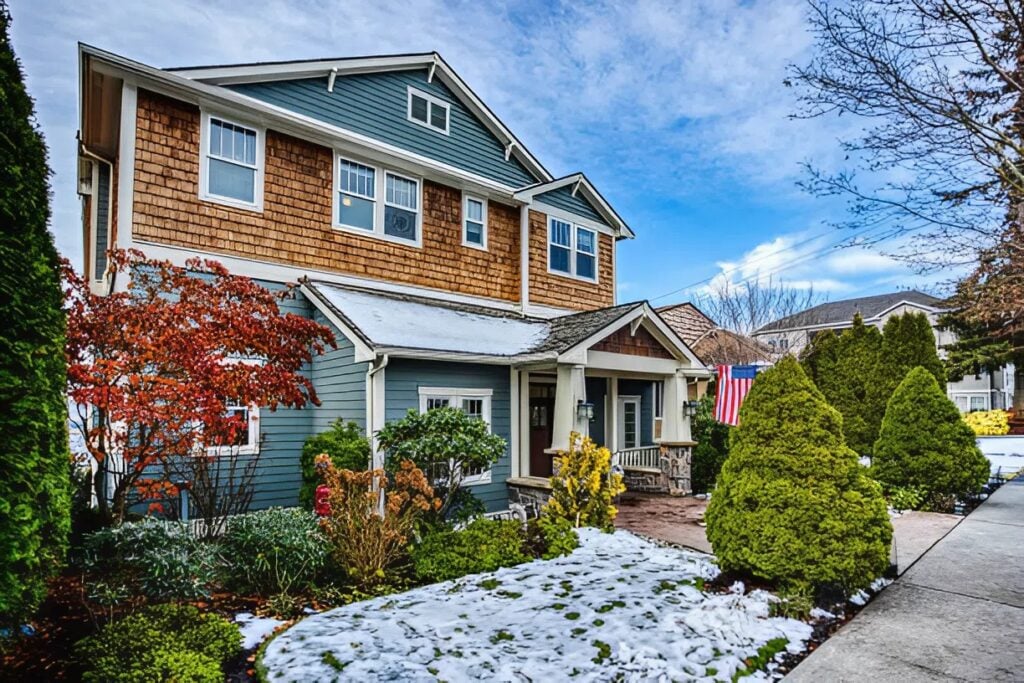
Snow does more than sit harmlessly against a home’s exterior. According to a painter in Ashland, MA, snow buildup along siding, foundations, and trim keeps surfaces wet for extended periods. When snow melts slowly or refreezes overnight, moisture remains trapped against painted surfaces far longer than rain exposure.
This prolonged dampness breaks down paint binders, especially on north-facing walls that receive little sunlight. Over time, paint softens, adhesion weakens, and failure becomes inevitable once temperatures fluctuate again.
Why Older Paint Systems Fail First in Winter
Aging Paint Loses Flexibility
Paint is designed to expand and contract with temperature changes, but this flexibility diminishes as coatings age. A painter in Ashland, MA, often explains that older paint becomes brittle, making it far less capable of handling winter movement.
When flexibility is lost, paint cannot adjust to thermal shifts. Instead of stretching, it cracks. Once cracking begins, moisture infiltration accelerates, and winter damage compounds rapidly.
Poor Preparation Shows Its Consequences in Cold Months
A painter in Ashland, MA, can often tell whether an exterior was properly prepared just by examining winter-related damage. Inadequate surface cleaning, skipped priming, or painting over damp wood may not fail immediately. However, winter stress exposes these shortcuts quickly.
Paint applied over compromised surfaces lacks proper adhesion. When cold weather sets in, these weak bonds break down, leading to peeling and flaking that homeowners often mistake for simple aging rather than prep-related failure.
Why Spring Reveals Damage That Started in Winter
By the time spring arrives, many homeowners notice bubbling paint, bare patches, or discoloration. A painter in Ashland, MA, recognizes that these are not spring problems but winter consequences finally becoming visible.
As temperatures rise, trapped moisture attempts to escape, pushing outward and lifting paint layers. What appears sudden is actually the final stage of months of cold-weather stress.
Preventing Winter-Driven Paint Failure
Proactive Maintenance Makes the Difference
A knowledgeable painter in Ashland, MA, emphasizes that preventing winter damage starts well before cold weather arrives. Proper surface preparation, high-quality primers, and weather-resistant coatings are essential for long-term durability.
Addressing minor cracks, sealing joints, and repainting aging exteriors before winter prevents moisture infiltration. When paint systems are intact and flexible, they are far better equipped to withstand freeze-thaw cycles without failure.
Why Timing Matters for Exterior Painting Decisions
Many homeowners delay exterior painting until visible damage appears. A painter in Ashland, MA, often advises against this approach. By the time paint failure is obvious, winter damage has already compromised underlying materials, increasing repair costs.
Strategic repainting based on age, exposure, and surface condition, not just appearance, helps protect homes through harsh winters and extends the lifespan of exterior finishes.
The Long-Term Cost of Ignoring Winter Paint Damage
Ignoring early signs of winter-related deterioration can lead to more than cosmetic issues. A painter in Ashland, MA, frequently encounters cases where prolonged moisture exposure has caused wood rot, mold growth, or siding damage beneath failing paint.
Addressing paint issues early protects not only appearance but also structural integrity. Paint is a protective barrier, and when it fails, the elements gain access to materials not designed to endure prolonged exposure.
Choose Latitude Painting & Restoration, LLC: Your Trusted Painter in Ashland, MA
Addressing these issues now helps prevent peeling, wood damage, and costly repairs later, while ensuring your home stays protected through harsh freeze-thaw cycles. Our experts at Latitude Painting & Restoration can help extend the life of your siding, trim, and finishes, giving your home a stronger, cleaner look that holds up season after season.
Schedule a call today to take a closer look at how your exterior paint is really holding up.